
The safety of our furry friends is a top priority for every dedicated hamster owner. “Is hot glue safe for hamsters?” This is one of the most common questions that pop up on hamster forums and online search engines.
This article delves deep into the topic to provide you with comprehensive insights to ensure the safety of your beloved small rodent.
Table of Contents
Is Hot Glue Safe For Hamsters?
Hot glue is not safe for hamsters. Despite its renowned use in crafting, hot glue poses potential hazards to your furry friend. The process of melting hot glue releases toxic fumes that can harm a hamster’s respiratory system if inhaled.
Additionally, if a hamster ingests hot glue, it can lead to gastrointestinal blockages and resultant serious health risks. Also, direct contact with hot glue can cause skin irritation and burns.
To ensure the safety of your hamster, it is recommended to explore alternative, non-toxic glues or mechanical fasteners when engaging in DIY projects or assembling hamster accessories. Prioritizing your hamster’s well-being by opting for safer alternatives will provide them with a secure and happy environment.
Understanding Hot Glue

Hot glue, also known as hot melt adhesive, is a versatile thermoplastic adhesive widely used in various crafting projects. It is applied in a molten state using a hot glue gun and solidifies upon cooling, creating a strong and durable bond between different materials.
The convenience and quick-drying nature of hot glue makes it a popular choice among DIY enthusiasts. However, it is crucial to delve deeper into the characteristics of hot glue and its potential implications when considering its application around hamsters.
Hot glue consists of a combination of polymers, resins, and additives. The specific composition may vary depending on the brand and type used. During the heating process, the glue reaches a high temperature, which causes it to become a liquid adhesive. After application on a surface, the glue cools slowly and solidifies, forming a secure bond.
The high temperature of hot glue can be detrimental to the safety of hamsters. Their small size and delicate respiratory systems make them susceptible to the potential hazards associated with hot glue usage. While hot glue may be suitable for bonding materials in many crafting projects, it is vital to evaluate its suitability in the context of hamster care.
To ensure the well-being of your hamster, it is essential to consider alternative options that prioritize their safety. Exploring non-toxic glues explicitly labeled as safe for small animals is a responsible choice. These specialized glues are formulated to be harmless if accidentally ingested and do not release toxic fumes during application.
Opting for such pet-safe alternatives is the best method for mitigating the risks associated with hot glue and creating a safer environment for your furry friend.
Potential Hazards
When assessing the safety of hot glue for hamsters, it is essential to consider potential hazards that may arise from their exposure to this adhesive. Hot glue contains certain chemicals that could be harmful to small animals like hamsters. These hazards include:
1. Toxic Fumes
One of the primary concerns when it comes to hot glue and hamster safety is the release of toxic fumes during the application process. Hot glue undergoes a chemical transformation leading to the emission of potentially harmful gases during its heating process. Inhaling these toxic fumes by hamsters often results in negative effects on their respiratory system and overall health.
Hot glue contains various chemicals that can contribute to the generation of toxic fumes including formaldehyde, a colorless gas with a pungent odor. Hot glue often releases formaldehyde posing a significant risk to the respiratory health of hamsters. Irritation, coughing, breathing difficulties, and other severe respiratory complications may arise when hamsters inhale formaldehyde fumes.
Acetic acid, a common hot glue component typically released as vapor during the melting process is another major cause for concern. This compound has a strong, vinegar-like smell and can cause irritation to the respiratory tract if inhaled by hamsters.
The small size and delicate respiratory systems of hamsters make them extremely sensitive to airborne toxins. Even brief exposure to these toxic fumes can lead to adverse health effects. Therefore, it is crucial to prioritize their well-being by ensuring that they are not exposed to hot glue fumes.
It is recommended to use alternative glues explicitly labeled as non-toxic and safe for small animals. These specialized adhesives are formulated to minimize the release of harmful gases and provide a safer option for bonding materials in the presence of hamsters.
2. Ingestion Risks
In addition to the potential dangers of inhaling toxic fumes, there are notable risks associated with hamsters ingesting hot glue. Hamsters are naturally curious creatures and have a tendency to explore their surroundings by nibbling on objects within their habitat. If a hamster comes into contact with items bonded with hot glue and proceeds to chew on them, there is a risk of ingestion.
Hot glue ingestion in hamsters can lead to potentially life-threatening consequences such as gastrointestinal blockages. The nature of hot glue, when solidified, can create a solid and indigestible mass within the hamster’s digestive system. This blockage can impede the passage of food resulting in discomfort, pain, loss of appetite, and even intestinal damage.
3. Skin Irritation

When it comes to the safety of hot glue for hamsters, one significant aspect to consider is the potential for skin irritation. Hamsters have delicate and sensitive skin, making them susceptible to adverse reactions when exposed to certain substances, including hot glue.
Hot glue, particularly when in its liquid state, can reach high temperatures that can result in burns or skin damage if it comes into direct contact with a hamster’s skin. The molten glue has the capacity to adhere quickly and firmly, which can result in accidental bonding with the hamster’s fur, paws, or other body parts.
Attempting to remove the hot glue may worsen the situation and potentially cause further skin damage or discomfort for the hamster.
Furthermore, the chemical composition of hot glue can contribute to skin irritation. Some of the ingredients found in hot glue may trigger allergic reactions or dermatitis when in contact with the hamster’s skin. Redness, swelling, itching, or the formation of a rash are a few signs of these allergic reactions.
Safe Alternatives
Considering the potential risks associated with hot glue, it is advisable to explore safer alternatives when engaging in DIY projects involving hamster accessories or habitats. A few alternatives worth considering are discussed below:
1. Non-Toxic Glues
Non-toxic glues are specifically formulated to be safe for use around small animals and can provide a reliable alternative to hot glue when bonding materials.
Non-toxic glues release minimal levels of harmful chemicals and fumes, reducing the risk of respiratory issues and other health complications in hamsters. Additionally, these glues often undergo rigorous testing to meet safety standards and are labeled as safe for use with small animals.
One common type of non-toxic glue suitable for hamsters is Pet-Safe Adhesive. They are manufactured without toxic substances that could cause harm or discomfort to animals. Pet-safe adhesives are available in various forms, such as tapes, gels, or liquids, providing flexibility in their application.
Always follow the manufacturer’s instructions carefully during the usage of non-toxic glues. Adhering to the recommended application methods and curing times will ensure the best results and the safety of your hamster. It is also advisable to choose glues that are easy to clean or remove, as this will prevent any accidental ingestion or skin irritation.
2. Mechanical Fasteners

When it comes to ensuring the safety of our hamsters, mechanical fasteners offer a reliable alternative to using adhesives like hot glue. Mechanical fasteners, such as screws, clips, and other hardware, provide a secure method of joining materials without the potential risks associated with glue usage.
One advantage of using mechanical fasteners is their ability to create a sturdy and durable bond. Unlike adhesives that may weaken over time or lose their adhesive properties, properly installed mechanical fasteners can maintain a strong connection between materials in a hamster’s habitat.
Screws are commonly used as mechanical fasteners due to their versatility and ability to provide a robust connection. When using screws, it is important to select appropriate sizes and types based on the materials being joined. This ensures a secure and stable assembly that can withstand the activities of an active hamster.
Clips and clasps are also practical options for fastening materials together. These can be particularly useful for securing wire mesh, attaching panels, or creating modular structures in the hamster’s habitat without the need for adhesives.
Zip ties, or cable ties, are another popular choice for fastening materials in a hamster’s cage. These flexible plastic ties can be tightened to provide a secure connection between objects. They are often used to fasten cables or secure items to wire grids or cages. Always make sure that zip ties are properly positioned and not too tight to avoid potential hazards to the hamster.
The safety and comfort of the hamster should remain a priority when using mechanical fasteners. Ensuring that the fasteners are properly installed without creating sharp or protruding edges is essential. Regular inspections of the habitat are also recommended to ensure that fasteners are secure and have not come loose over time.
3. Natural Materials

Are you committed to creating a safe and comfortable environment for your hamsters? incorporating natural materials into their habitat can provide numerous benefits. Natural materials offer an aesthetic appeal while also contributing to the well-being and enrichment of our furry friends.
Fortunately, natural materials are non-toxic, unlike some synthetic alternatives that may release harmful chemicals. Hence, natural materials are generally considered safe for hamsters. They offer a healthier living environment for our pets thanks to the absence of toxic chemicals and resultant allergic reactions.
One common natural material used in hamster habitats is wood. Natural wooden structures, such as platforms, hideouts, or chew toys, can provide a sense of security and stimulation for hamsters. However, it is essential to choose untreated, non-toxic wood to avoid potential exposure to harmful substances. Hardwoods like birch, apple, or beech are often recommended due to their durability and safety for hamsters. (Source)
Another natural material commonly utilized is hay or straw. These materials can be used for bedding, nesting, or foraging purposes. Hamsters naturally enjoy burrowing and creating nests, and hay or straw can provide them with a cozy and enriching environment. However, make sure the hay or straw is clean and free from pesticides or other contaminants that may harm the hamster.
Additionally, natural fibers, such as sisal or hemp ropes, can be incorporated into the hamster habitat. These materials can serve as climbing structures or create opportunities for exercise and play. It is crucial to inspect the fibers regularly to ensure they are in good condition and free from fraying or potential hazards that could harm the hamster.
When introducing natural materials into the hamster habitat, it is important to consider hygiene and cleanliness. Natural materials may be more susceptible to mold or bacteria growth compared to synthetic alternatives.
Regular cleaning, proper ventilation, and monitoring for signs of deterioration are necessary to maintain a healthy environment for the hamster.
4. DIY Hamster Toys
Creating DIY (Do-It-Yourself) toys for your hamster can be a rewarding and engaging activity that provides both mental stimulation and physical exercise for your furry friend. DIY hamster toys offer a cost-effective and customizable option, allowing you to tailor the toys to suit your hamster’s preferences and needs.
One popular DIY toy option is the cardboard maze. You can repurpose cardboard boxes or tubes to create an intricate maze for your hamster to explore. Cut holes and tunnels into the cardboard, creating a labyrinth-like structure that offers plenty of hiding spots and opportunities for exploration. Your hamster will enjoy navigating through the maze, providing mental stimulation and encouraging natural instincts.
Another DIY toy idea is the treat puzzle. Using a small plastic or cardboard container, create holes or slots through which your hamster can retrieve treats or pieces of fresh fruits and vegetables. The challenge of retrieving the treats will keep your hamster entertained and provide mental stimulation. Just ensure that the container is safe and non-toxic for your hamster to interact with.
You can also construct a DIY hammock for your hamster’s enclosure by attaching soft, breathable fabric, like fleece or cotton securely to the sides of the cage. Hamsters enjoy climbing and resting in elevated spaces, and a hammock provides a cozy and comfortable spot for them to relax.
To encourage your hamster’s natural instinct to forage, create a DIY foraging toy. Take a small cardboard box or tissue roll and stuff it with hay, shredded paper, or small treats. Close the ends of the box or roll and let your hamster explore and “hunt” for the hidden treasures inside. This activity stimulates their natural foraging behavior and provides mental enrichment.
Safe Habitat Construction For Hamsters
Creating a safe and comfortable habitat is one of the best ways to promote the well-being of your hamster. Proper habitat construction ensures that your furry friend is protected from potential hazards and can thrive in a secure environment. Here are some key considerations for constructing a safe hamster habitat:
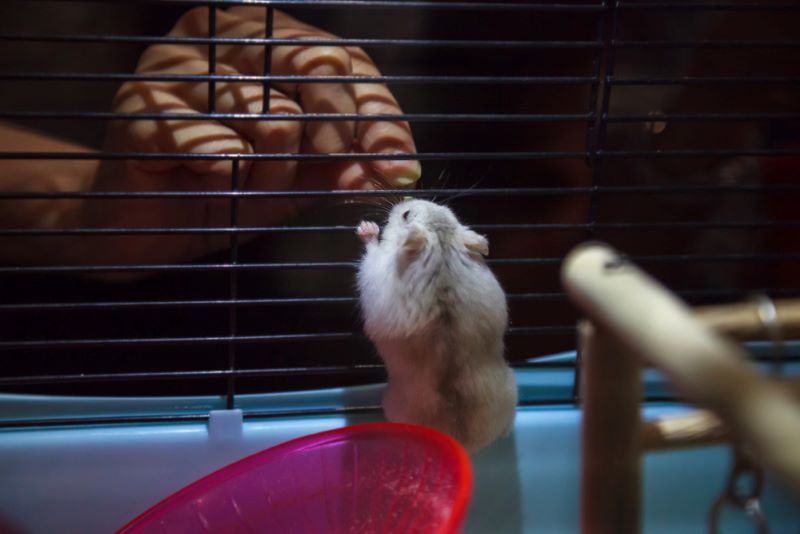
Cage Selection: Choose a cage or tank specifically designed for hamsters that provides adequate space for them to move, climb, and explore. Opt for cages with narrow bar spacing to prevent escape and ensure that the materials used are non-toxic and safe for hamsters.
Flooring and Bedding: Select appropriate bedding materials that are safe for your hamster’s health. Avoid cedar or pine shavings, as they can emit harmful fumes. Instead, opt for paper-based bedding, aspen shavings, or other safe alternatives. Ensure that the bedding is deep enough for burrowing and provides cushioning for your hamster’s delicate feet.
Ventilation: Adequate airflow is crucial in the hamster habitat to maintain good air quality and prevent the buildup of ammonia or other harmful substances. Choose cages with proper ventilation and avoid placing the habitat in areas with poor air circulation, such as enclosed cabinets or spaces with excessive heat or humidity.
Avoid Small Openings: Check the cage for gaps, holes, or openings that your hamster could squeeze through and potentially escape. Fasten all doors and access points securely and make sure there are no gaps where your hamster’s head or limbs could become trapped.
Eliminate Sharp Edges and Hazards: Inspect the habitat for sharp edges, protruding wires, or other potential hazards that could cause injury to your hamster. File down or cover any sharp edges, secure wires to prevent entanglement, and remove any small parts or objects that could be ingested or pose a choking hazard.
Temperature Regulation: Maintain a suitable temperature range in the hamster habitat to ensure your pet’s comfort. Avoid exposing the cage to direct sunlight or extreme temperature fluctuations. Provide a consistent temperature within the recommended range for your hamster’s species.
Proper Barriers: If using wire or mesh cages, ensure that the bars are appropriately spaced to prevent your hamster from squeezing through or getting stuck. The spacing should be small enough to prevent accidental escape or injury.
Enrichment and Exercise: Incorporate appropriate toys, tunnels, and climbing structures to provide mental stimulation and opportunities for physical exercise. Regularly rotate and clean toys to maintain a clean and engaging environment for your hamster.
Regular Maintenance: Cleaning and sanitizing the habitat regularly can prevent the buildup of bacteria, ammonia, and other harmful substances. Replace soiled bedding, remove uneaten food promptly, and clean water dispensers regularly to ensure a hygienic living space for your hamster.
Conclusion
Is hot glue safe for hamsters? Hot glue, with its toxic fumes and ingestion risks, should be avoided in hamster habitats and toys. Instead, hamster owners can explore safer alternatives such as non-toxic glues, mechanical fasteners, and natural materials.
By understanding the potential hazards and implementing safety measures, we can create an environment where our hamsters can thrive and flourish.
Providing a safe and enriching habitat is non-negotiable as hamster owners who are committed to offering happy, healthy lives for our furry friends. So let’s embark on this journey of responsible hamster care, making choices that prioritize their safety, and continue to be their caring and devoted companions.