
Stroking and running your fingers gently through their hair is one of the best ways to bond with hamsters. Unless you’ve raised hairless breeds in the past, you’re probably used to these cute pocket rodents having lots of hair on their bodies.
Noticing a bald patch on your hamster’s back overnight can be distressing for many hamster parents. It can leave you questioning your animal parental skills especially when you’re clueless about what may be wrong with the hammy.
Why is my hamster losing hair on his back? Hamsters lose hair on the back due to tick or mite infestations, stress, malnutrition, and physical injuries from fights. Hamsters may also lose back hair through the natural aging process, molting, and allergic reactions to certain bedding materials or foods.
Fortunately, hamster fur loss is not always permanent. There’s a good chance of hair regrowth after taking the little guy to a vet. Early detection can make a huge difference so always be on the lookout for bald patches on hamsters for the necessary treatment.
Table of Contents
Why is My Hamster Losing Hair on His Back?
It is time to dig deeper into the common underlying reasons behind hamster fur loss in the back or any other part of the cute little rodent’s body. Hair loss is quite common among these little creatures and may be due to reasons beyond your control.
Here are 10 causes of alopecia in hamsters.
Malnutrition

Dietary deficiencies are a common cause of hamster fur loss. A hamster’s body requires a healthy supply of proteins for steady hair growth. Sunflower seeds are a staple in the diets of these creatures.
But failure to provide your hamster with protein-rich diets in addition to tasty seeds and nuts can lead to hair loss in the back, stomach, eyes, hind legs, and other areas. Depending on the hammy’s age, the diet should contain 18-22 percent protein.
Vitamins are another essential nutrient that can boost hair growth. Feeding hamsters with limited protein and vitamin-deficient meals can force the body to limit hair growth. Their bodies store the limited amounts of these critical nutrients already in the system due to the anticipation that more won’t be on the way.
The result is bald patches across various areas of your hamster’s body.
Aging
The average hamster lives for 2-3 years and is considered elderly once they reach age 2. Fur loss is one of the effects of the natural aging process in these pocket rodents so do not panic if you notice this sign in senior citizen hamsters.
Weaning can also lead to hair loss, especially among elderly female hamsters. However, hair loss suffered as a result of birthing is typically temporary.
Mite/Tick Infestation
Life can get pretty bad quickly for hamsters suffering from a tick or mite infestation. A happy hamster can suddenly turn moody and restless when these parasites invade his skin. Constant itching and scratching of the body against cage wires, toys, and other cage components is often a sign of parasitic infestations.
Urgent veterinary care can be vital to not only restore the pet’s diminishing hair but to enhance his immune system and offer protection against several infections and diseases.
Stress/Anxiety
Stress and anxiety are synonymous with hair loss not only in pets but in humans as well. Hamsters get anxious and stressed even from the simplest actions. Have you just switched from a small to a larger cage to accommodate the little guy’s increasing floor space needs? Or have just moved to a new apartment or house?
Even too much petting or stroking can cause anxiety. Boring toys, inadequate food, and a lack of water are additional situations that can stress these cute furballs.
Stressed hamsters may show aggressive signs such as rubbing their bodies against cage wires. This can result in bald patches in the back and other target areas that are rubbed.
Physical Injuries
Do you have multiple hamsters in the same cage or breeder tank? Aggressive breeds such as Syrians can be territorial resulting in fights with other cage mates. These fights can be brutal, leading to physical injuries that may cause balding on the hamsters’ bodies.
If your hamster is consistently biting at cage wires, only a matter of time before hair loss becomes apparent on the nose and surrounding areas.
Genetics
Just like balding in humans is often genetically influenced, hamsters carrying the bald gene may also suffer hair loss in the back, stomach, ears, and other body areas.
Hammies born to parents with a history of hair loss are likely to suffer bald patches at some point without any specific environmental or circumstantial triggers. However, hairless breeds are born without hair and remain bald throughout their lifetimes.
Hair regrowth can be a bit difficult among hamsters that suffer baldness due to their genes but it is still worth a try.
Fungal Infections
Fungal infections such as ringworm can cause hair loss in different regions in hamsters’ bodies. Often, vets may prescribe shaving off the affected area before treatments such as antifungal creams or shampoos are applied.
Unfortunately, fungal infections can be hard to spot and may have dire consequences for your hamster’s hair growth. In rare cases, they may cause open wounds that can itch so badly that hamsters chew their own hair and skin off in a bid to gain relief.
Known as fungal hotspots, these open wounds can be a nightmare to treat especially when mistaken for a bacterial or another type of infection.
Molting
Hamsters may lose hair naturally during springtime in a bid to prepare for the summer’s crazy hot temperatures. Since temperatures soar during that time of the year, shedding some hair off can make these adorable rodents cooler and more comfortable.
This can minimize the need for pancaking as a cooling-off tactic during those unbearable summer days and nights.
Termed as molting, natural fur shedding is more common in hamsters in the wild, especially in desert-like natural habitats.
Allergens
If your hamster is showing signs of losing hair in any part of the body, allergens could be the cause. Allergic reactions to bedding and other hamster cage components can cause significant itching and scratching. Your hamster could also be allergic to certain foods.
The affected hamster may be forced to tear his hair off to gain relief leading inevitably to bald patches across multiple areas on the skin.
Excessive Moisture

Excessive moisture can have negative consequences for the hair health of hamsters. From leaking water bottles to spilled water dishes, unwanted moisture is always bad news for your little pet rodent.
Sure, your hammy should always have enough water to drink but the cage should be kept as dry as possible.
How To Prevent Hairloss In Your Hamster
Hamster hair loss is preventable in most cases. Here are a few necessary precautions that can help eliminate those bald patches from the hammy’s back, nose, stomach, head, and other body regions.
Book a Vet Appointment
A quick appointment with an exotics vet can be the smartest way to treat hair loss in these little creatures. Their ability to figure out the underlying cause and offer the right solutions could take the guesswork out of your hamster’s hair problems.
Diet-related hair loss can be easily corrected once the veterinarian figures it out. This eliminates the need to change the bedding material or take another action when all you have to do is switch your pet rodent’s food.
Proper Diet
Furnishing your hamster with a proper diet can be a potent way to minimize or even eliminate hair loss. Diets should contain essential nutrients such as vitamins, proteins, fruits, and vegetables in addition to carbohydrate sources including sunflower seeds.
Occasional treats like natural millet seed stems can also boost the hamster’s moods and improve appetite. Providing these cute furballs with well-rounded diets may stimulate hair growth and eliminate signs of alopecia.
Your vet can be a reliable resource for the right nutrition for hamsters at every stage of their lives. You’ll be amazed at how suggestions like Mozzarella Cheese and Wheat Pasta can improve hair growth.
Clean Hamster Environment
A clean hamster environment can minimize the risk of parasitic infestations such as ticks and mites. Cages should be thoroughly cleaned and disinfected regularly even if there are no signs of these parasites.
However. If you’ve noticed constant itching in your hamster, this could be evidence of the presence of one or more ectoparasites. The affected pet should be separated from other cage mates and put into isolation.
The cage should be thoroughly cleaned together with toys, food bowls, and other essentials. It should also be disinfected to eliminate traces of these parasites. Anti-mite sprays are another solid option that can ensure the mite population on your hamster’s skin is eradicated.
Stress-Free Environment
Stress may have a significant impact on hamsters of all ages. Hence, creating a relaxing environment can save your beloved pet from a lot of psychological trouble. Your hammy can easily get agitated when frequently moved to new environments so you may want to minimize that as much as possible.
If you need to transfer a hamster to a new cage for any reason, try to introduce his toys and other components from the old cage so he can enjoy some familiarity. Even too much physical contact with humans can stress these delicate little pets.
Also, avoid waking up sleeping hamsters and provide enough toys to minimize boredom when they’re awake.
Separate Hamsters From Each Other
Housing multiple hamsters in the same cage can lead to negative consequences. These pocket rodents are territorial and it is not uncommon to see them aggressively protecting marked territories.
This can lead to physical fights resulting in bodily injuries, fur loss, and even cannibalism. Putting each hamster in a separate cage eliminates such fights and potential hair loss from bodily wounds.
Remove Allergens
Hamsters may lose hair in the back or another body area due to an allergic reaction to food or environmental factors. Additional signs such as breathing difficulties, swollen feet, wheezing, and sneezing or squeaking, can confirm that your hammy has been exposed to allergens.
Eye or nasal discharge and excessive itching are extra signs that could indicate that the hamster is suffering from an allergy.
Investigating the source of the allergy could be the first step towards providing relief. Have you recently painted the home? Has your hamster’s bedding been changed not too long ago? Have you introduced the hamster to a new diet or even changed your cologne?
All of these could be sources of allergens for these little guys. Once you figure out the source, make sure the right measures are put in place to protect the little guy from exposure to the allergens.
Leakage-Free Water Bottle or Water Source
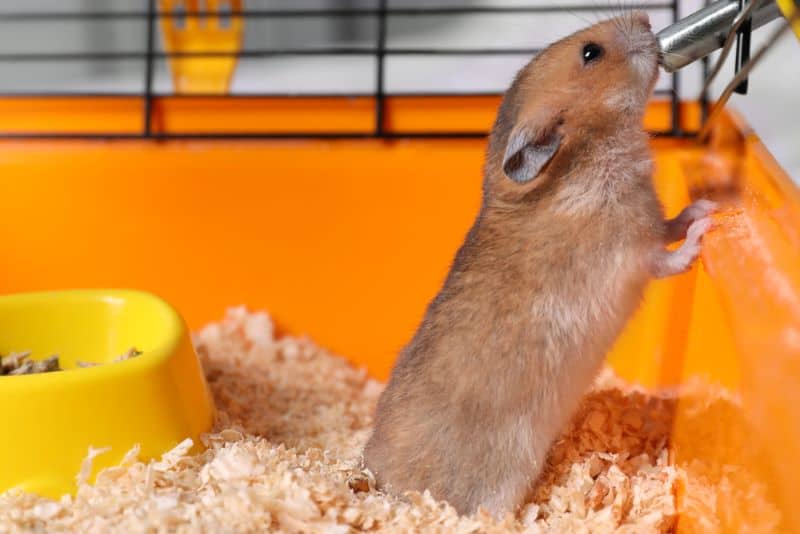
Your hamster’s water bottle should always be leak-free. Checking for possible signs of leakages is the best way to ensure that. Is any part of the cage wet, especially the space under the water bottle or water dish?
This could mean that water is escaping from the dish or bottle. Ensuring a leakage-free source of water in the cage can protect hamsters from excessive moisture and the associated hair loss.
Why is My Hamster Losing Hair on His head?
Hamsters may lose hair on their head as a result of serious medical conditions. For instance, kidney failure which results in the inability to remove waste and balance fluids could be behind the sudden baldness.
A hamster suffering from Renal disease may also exhibit additional signs such as constant thirst, abdominal pain, and frequent urination.
Why is My Hamster Losing Hair on His Stomach?
Old age is the number one reason for hair loss in a hamster’s stomach area. Bald patches typically begin from the tummy before spreading to other body parts over time. If your hamster is over 2 years old and showing signs of balding in the stomach, it may just be a natural reaction to aging.
Just continue to show the little guy as much love and care while providing him with the right feed and other vital supplements.
Why is My Hamster Losing Hair on Hind Legs?
Excessive running in metal exercise wheels can result in hamsters losing hair on their hind legs. These cute little rodents love the thrill of physical activity including running through hideouts and on their wheels.
However, continuous running in metallic exercise wheels exerts a lot of friction on the rodent’s hind legs, resulting in hair loss. Replacing the metallic with plastic wheels may be the only way to reverse the negative effects.
Why is My Hamster Losing Hair on His Nose?
Hamsters may lose hair on the nose from constantly chewing cage wires. Over time, hair loss around the mouth and nose becomes inevitable as the little rodent suffers physical injuries from the constant gnawing.
A hamster with a cage wire gnawing habit may need to be moved to a breeder tank or bin cage to stop the bad behavior.
Hamster Bald Patches on Hips
Hamsters experience bald patches on the hips due to the constant rubbing of their scent glands on surfaces they make physical contact with. These cute little creatures love to spread their scents and what better way than to scratch their bodies against cage wires, tank glasses, humans, and even their toys?
Hamster Losing Hair and Scabs
Hamsters losing hair and scabs is a often sign of a fungal infection. Urgent vet care can provide the right treatment to eliminate the disease so affected hammies can regain their health.
Often, hair regrowth is possible if the fungal infection is treated early. This is why a quick visit to a vet clinic can be crucial.
Hamster Losing Hair Behind Ears
Bald patches behind your hamster’s ear may be caused by parasites such as ticks and mites. The affected area often shows a reddish appearance from the constant itching and scratching. In some instances, hamsters may lose hair behind the ears when exposed to irritating bedding.
If your hamster is 2 years or older, the hair loss could be age-related too.
Conclusion
Hamsters can lose hair on their back, stomach, ears, hips, and other body areas due to a variety of reasons. Figuring out the underlying cause can ensure quick treatment and relief which may increase the chances of hair regrowth.
In most cases, a clean cage with fresh non-irritating bedding material should sort out the hamster’s alopecia. Healthy diets, isolating the little guy from others, and anti-parasitic sprays may also get the job done.